
"neighbor kindness"
2000 article(s) found

How about coffee in Gujiso area? how many flavors of coffee beans in Shaquiso area?
Exchange of professional baristas please pay attention to the coffee workshop (Wechat official account cafe_style) Gujiso production area how about individual coffee HARRAR this area is the town around Hara, is the oldest production area. Coffee in this area is so special that it is not in an environment that requires additional irrigation. Hara has enjoyed a high reputation over the years, although

Introduction to the flavor description of San Juan Xido coffee beans in Honduras
The geographical conditions of Honduras are no less than those of neighboring coffee-producing countries such as Guatemala and Nicaragua. There are 280000 hectares of coffee plantations in Honduras, mainly small coffee plantations. Most of the coffee plantations are less than 3.5ha. These coffee plantations account for 100 per cent of the total coffee production in Honduras.

Characteristics of planting history of single bean coffee bean flavor description in Shaqisuo producing area
For the exchange of professional baristas, please pay attention to the reason why the coffee workshop (Wechat official account cafe_style) Guji producing area can stand out and become a new bright spot in the eyes of boutique coffee fans, in addition to its own geographical advantages, high-quality farmers and changes in the division of ECX, the micro-producing area of Shakisso (sometimes translated as Shakiso) also plays an important role. Shaquiso's coffee belongs to Guji.

Introduction of Honduran Coffee Manor Santa Barara Manor introduction of Honduran Coffee producing area
For coffee production, the geographical conditions of Honduras are no less than those of its neighboring coffee-producing countries such as Guatemala and Nicaragua. There are 280000 hectares of coffee plantations in Honduras, mainly small coffee plantations, most of which are less than 3.5ha. These coffee plantations account for 60% of the total coffee production in Honduras. In the coffee garden, because the planting land belongs to

Introduction to the Manor of Flavor description by the method of Grinding scale of Coffee beans in Honduras
The geographical conditions of Honduras are no less than those of its neighboring coffee-producing countries such as Guatemala and Nicaragua. There are 280000 hectares of coffee plantations in Honduras, mainly small coffee plantations, most of which are less than 3.5ha. These coffee plantations account for the whole coffee production in Honduras.

Fruity aroma of Bolivian snow vein estate fine coffee beans grind degree roast degree processing method simple
Of course, the most famous is the Uyuni Salt Flats, and Bolivia's coffee is fantastic! Most of the traditional Typica species are grown in the mountains above 2000 meters with fertile volcanic soils. The water used to treat coffee also comes from melting snow in the mountains, which is completely free of pollution. Due to high altitude and low temperature all year round, Typica species here are not as large as those in neighboring countries, but have more diverse

Introduction to the taste of Ethiopian honey kiss coffee flavor description grinding scale production area
Ethiopian honey kiss coffee flavor description grinding scale production area taste introduction in Ethiopia, people are proud of coffee and regard it as a gift to the world. To this day, many Ethiopian families still retain the ceremony of daily coffee celebrations, with the hostess of each family inviting her family and neighbors to have coffee more than once a day. In their view, this is a sign of friendship and respect.

Introduction to the treatment method of planting and developing history of single bean flavor description in Shaqisuo producing area
For the exchange of professional baristas, please follow the coffee workshop (Wechat official account cafe_style) Ethopia Ethiopian population: 93877000 Ethiopia's producing area name is the most recognized in the coffee industry and is currently the country with the largest number of coffee names as the name of the producing area. This is the case today, and the future is foreseeable. In addition, Arabica genes of original species and wild species

Top quality Yega Snow Coffee Fine Coffee Red Cherry, what's the flavor?
What is the Yegashifi Red Cherry Project actually? About the Red Cherry Project OPERATION CHERRY RED said that the Red Cherry Project is no stranger to many friends. So what kind of project is the Red Cherry Project? Maybe only a few people can tell. Ethiopia, known as the birthplace of coffee, has a large area of fine traditions.

Description of coffee bean flavor in Gujiso producing area how to drink coffee in Shaqiso producing area
For the exchange of professional baristas, please pay attention to the coffee workshop (Wechat official account cafe_style) Gujiso coffee bean flavor description how to drink coffee in Shakiso producing area located in the southeast of the famous Yega snow coffee producing area, it is the highest region in Ethiopia, with an average elevation of more than 1800 meters. The significant temperature difference between day and night makes the growth of coffee beans more complete and sweet.

Peru: the flavor of organic coffee is characterized by high quality balance and palatable acidity. Peruvian Coffee History
Professional coffee knowledge exchange more coffee bean information Please follow the coffee workshop (Wechat official account cafe_style) 98% of Peruvian coffee is grown in the jungle at the foot of the Andes. Peruvian coffee was not favored by the international market at first because of the volatile political and economic situation and the fact that Peruvian coffee industry was once a small-scale peasant economy. With neighboring Colombian coffee

How do you taste the single bean in Charkiso? The cultivation and processing of the single bean in Charkiso
Professional barista exchanges, please pay attention to coffee workshop (Weixin Official Accounts cafe_style) Guji production area is located in the southeast of the famous Yerjia Sherphine production area, which is the highest altitude area in Ethiopia, with an average altitude of more than 1800 meters. Significant temperature difference between day and night, so that coffee beans grow more complete, sweeter taste more obvious; less pests, so that coffee farmers can adopt an all-organic way to grow, and then

How much do you know about the wonderful use of coffee grounds, telling you that coffee grounds can be used as fertilizer and purify the air?
Professional coffee knowledge exchange more coffee bean information Please pay attention to the coffee workshop (Wechat official account cafe_style) Coffee grounds can be used as plant fertilizer for those who grow flowers at home can make coffee grounds into plant fertilizer, coffee grounds can be added directly to the soil, especially suitable for plants like acidity soil, such as azaleas and roses. In coffee

Introduction of coffee producing area in Gujia Qiso area what is the elevation of coffee beans in Shaqiso producing area
For the exchange of professional baristas, please follow the coffee workshop (Wechat official account cafe_style) Gujiso coffee producing area introduces the elevation of coffee beans in Shakiso producing area SIDAMO Hidamo and the other two regions ─ Hara and Yegashev registered trademarks approved by the Ethiopian government in 2004, making the reputation of the area and the distinctive local characteristics of coffee beans, together to improve the distinction

The wonderful use of 20 kinds of Coffee grounds in Coffee Life
If you are a coffee drinker, if you make coffee every day, do not directly pour out the coffee grounds after brewing coffee, because such easy-to-use coffee grounds can absorb formaldehyde, cook and grow flowers, and you will regret it after you pour it out! Tip: some uses require dried coffee grounds. If you are in a hurry, you can dry them in a microwave oven or oven.

How is the planting of single bean in Shaqisuo production area? introduction to the award-winning situation of single bean in Shaqiso production area
For the exchange of professional baristas, please pay attention to the coffee workshop (Wechat official account cafe_style) Sidama is located in southern Ethiopia, where the landscape is so varied that each town has its own unique and diversified coffee flavor. Shakisso is located in the Guji producing area of Xida Morri, southeast of Yejia Sheffei, with an average high altitude.

The characteristics and Origin of the passionate Brazilian Santos Coffee
Santos coffee (Santos Coffee) is mainly produced in Sao Paulo, Brazil. This kind of coffee acid, sweet and bitter is neutral, moderate concentration, with moderate sour taste, elegant and special taste, is the best blending beans, known as the strong coffee, but the taste is also good. Brazil is located in South America, about 15 degrees south latitude. Coffee culture in Brazil began in 1727 and sprang up in the north of Brazil.

Can compete with papaya egg tarts produced by KFC
Recently, the advertisement of KFC papaya egg tart has been very popular. I should have been immune to this kind of change, but the curiosity of food eventually gained the upper hand. So when I went to KFC with someone, I finally got what I wanted, but as expected. Egg tarts have a faint taste of papaya, a few pieces of papaya flesh smaller than the finger, affixed with a tropical label, so

Home-baked boutique coffee (2) Colombian coffee beans
Although it has been overtaken by the two major Robles Tadou in Vietnam, it once dominated the world coffee market. As the first producer of waterlogged bean coffee, second only to its neighbor Brazil, Colombia, which ranks second in the world, it still stabilizes the world boutique coffee market with its excellent quality, and the noble and precipitous Andes have never been short of good beans. By far the country is still the largest.
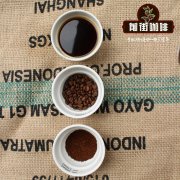
Tanzania Coffee Kilimanjaro Coffee Story of Kilimanjaro Coffee
Professional coffee knowledge exchange more coffee bean information please pay attention to the coffee workshop (Wechat official account cafe_style) Tanzanian coffee was first introduced by Catholic priests in 1898, then reintroduced KENT varieties in 1920, so far, Tanzanian coffee varieties are mainly bourbon and Kent. The market likes to bring neighboring Kenyan coffee